How to optimize a direct mail campaign
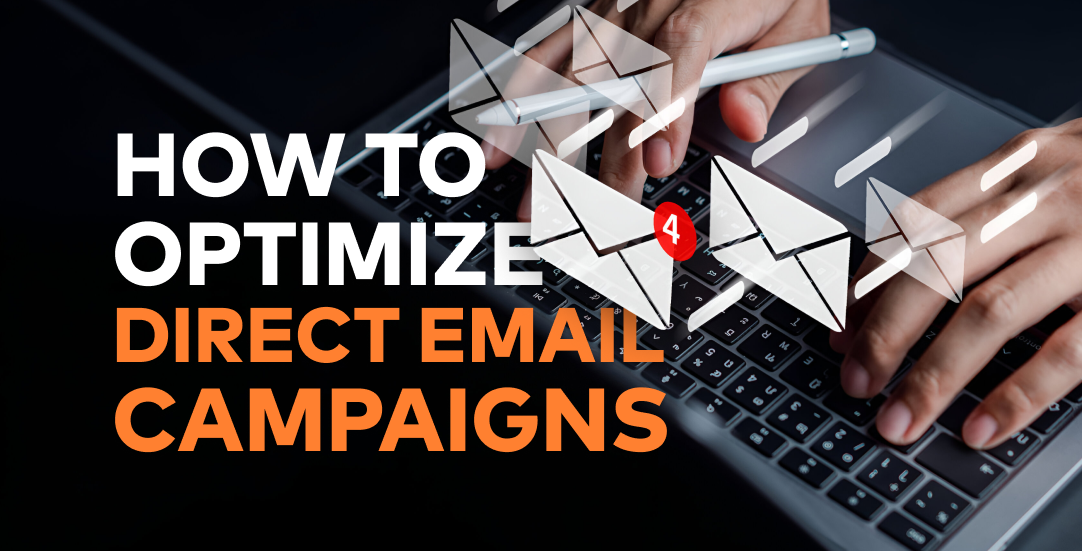
Direct mail has long been a cornerstone of marketing. Even in a digital-first world, the tactile impact of a letter, brochure, or postcard can cut through the noise of overflowing inboxes and scrolling feeds. But as budgets tighten and audiences become more discerning, the question marketers face is not whether to use direct mail, but how to optimize a direct mail campaign to ensure maximum effectiveness. Achieving strong results requires careful planning, sharp execution, and ongoing refinement.
Why direct mail still matters
Some might see direct mail as a relic of the past. After all, businesses now have access to targeted ads, social media, and highly personalized email campaigns. Yet, the numbers tell a different story. Research consistently shows that consumers are more likely to open and engage with physical mail than with digital promotions. The physical nature of direct mail gives it a sense of credibility and presence that an email often lacks.
For brands, this creates a unique opportunity. A well-designed piece of direct mail can serve as a memorable touchpoint in the customer journey. It can also complement digital campaigns by reinforcing messages across channels. Instead of competing, direct and digital strategies often work best in tandem, with direct mail providing a tangible anchor to a brand’s message.
Understanding your audience
The first step in optimizing a direct mail campaign is knowing who you are speaking to. Audience segmentation is not a new concept, but in the context of direct mail it becomes especially important. Sending the same generic flyer to thousands of households rarely produces results. Instead, marketers need to invest in data: demographic insights, behavioral patterns, and purchase history.
Modern tools allow businesses to refine lists with precision. For instance, a retailer might target previous customers who purchased seasonal items, while a financial institution could focus on individuals in a specific income bracket within a certain geography. The more relevant the message, the higher the response rate.
Equally crucial is aligning the tone of the mailer with the audience’s expectations. A postcard advertising a luxury service should feel different from one promoting a neighborhood discount store. By tailoring language, imagery, and design, marketers can signal that the message was crafted specifically for its recipient.
Crafting a compelling message
Once the audience is defined, the heart of the campaign lies in the message. Optimizing a direct mail campaign means moving beyond glossy graphics and catchy slogans. The content must offer a clear value proposition. What does the recipient gain by reading and responding?
Marketers should focus on three elements: clarity, relevance, and action. Clarity ensures that the message can be understood at a glance. Relevance connects the offer to the recipient’s needs or aspirations. Action is about prompting a measurable response, whether it’s visiting a website, redeeming a discount, or scheduling a consultation.
One common mistake is overloading the mailer with too much text or too many competing visuals. Unlike a website, where users can scroll, a direct mail piece must communicate efficiently. The design should guide the eye naturally toward the call to action. White space, strong typography, and carefully chosen images all play a role in making the message stand out.
Integrating personalization and technology
Personalization is no longer optional – it is expected. Using the recipient’s name is only the beginning. Data-driven campaigns can include tailored offers, dynamic images, and even personalized QR codes that link to unique landing pages. This integration of print and digital allows marketers to track engagement with much greater accuracy.
Technology also helps optimize testing. Variable data printing enables the creation of multiple versions of the same mailer, each targeting a different segment. By measuring which version generates the best response, businesses can refine future campaigns. QR codes, personalized URLs, and response codes further allow tracking beyond the moment the mail is opened.
The combination of personalization and technology bridges the gap between the tactile appeal of print and the measurable precision of digital marketing.
Key performance indicators for direct mail campaigns
| KPI | Why it matters | How to interpret |
| Response rate | Measures the percentage of recipients who take action | Higher rates indicate stronger engagement and relevance |
| Conversion rate | Tracks the percentage of responses that lead to desired outcomes | Shows the effectiveness of the offer and call to action |
| Cost per acquisition (CPA) | Determines the cost to gain a customer through the campaign | Lower CPA suggests more efficient targeting and creative |
| Return on investment (ROI) | Evaluates overall profitability of the campaign | Positive ROI confirms the campaign is financially worthwhile |
| Average order value (AOV) | Assesses the revenue generated per conversion | Helps identify if campaigns are driving high-value sales |
| Delivery success rate | Measures how many mail pieces reach the intended recipients | Low rates indicate issues with mailing lists or data quality |
Measuring and refining performance
No campaign is truly optimized without measurement. Direct mail has historically been more difficult to track than digital campaigns, but modern tools make it easier to connect results to actions. Metrics such as response rate, conversion rate, and average order value provide insights into effectiveness.
One of the most reliable approaches is to test campaigns in smaller batches before scaling. A/B testing can compare different headlines, designs, or offers. By starting small, businesses minimize risk while learning what resonates.
Equally important is the feedback loop. After analyzing performance, the insights must be applied to future campaigns. Optimizing direct mail is an ongoing process, not a one-time effort. Businesses that treat it as a cycle of testing, learning, and refining tend to achieve the strongest long-term results.
Key tactics to improve direct mail campaigns
Optimizing a direct mail campaign is part science, part creativity. While there is no single formula, several tactics consistently drive better outcomes:
- Segment your audience based on data and behavior, not just geography.
- Craft messages with clear value propositions and strong calls to action.
- Keep design simple and focused, with the call to action prominently displayed.
- Use personalization beyond names – incorporate relevant offers and tailored content.
- Leverage technology with QR codes, personalized URLs, and response tracking.
- Test, measure, and refine continuously rather than relying on one large rollout.
- These tactics ensure that direct mail is not treated as a standalone effort but as a strategic component of a broader marketing mix.
Bringing expertise into play
Direct mail remains one of the most powerful tools for building connections with customers, but only when it is executed thoughtfully. The question of how to optimize a direct mail campaign comes down to balancing creativity with strategy, personalization with scalability, and tradition with innovation.
For companies that want to ensure their campaigns perform at the highest level, partnering with experienced professionals can make all the difference. Agencies like createIT specialize in combining marketing strategy, design, and SEO expertise to deliver campaigns that resonate and convert. Whether you are launching your first direct mail initiative or refining a long-standing program, createIT can provide the guidance and execution needed to transform a campaign into a measurable success.














![How to Fight AI Hallucinations About Your Brand [ready-to-use prompt inside]](https://www.createit.com/wp-content/uploads/2026/02/How-to-Fight-AI-Hallucinations-355x200.jpg)